
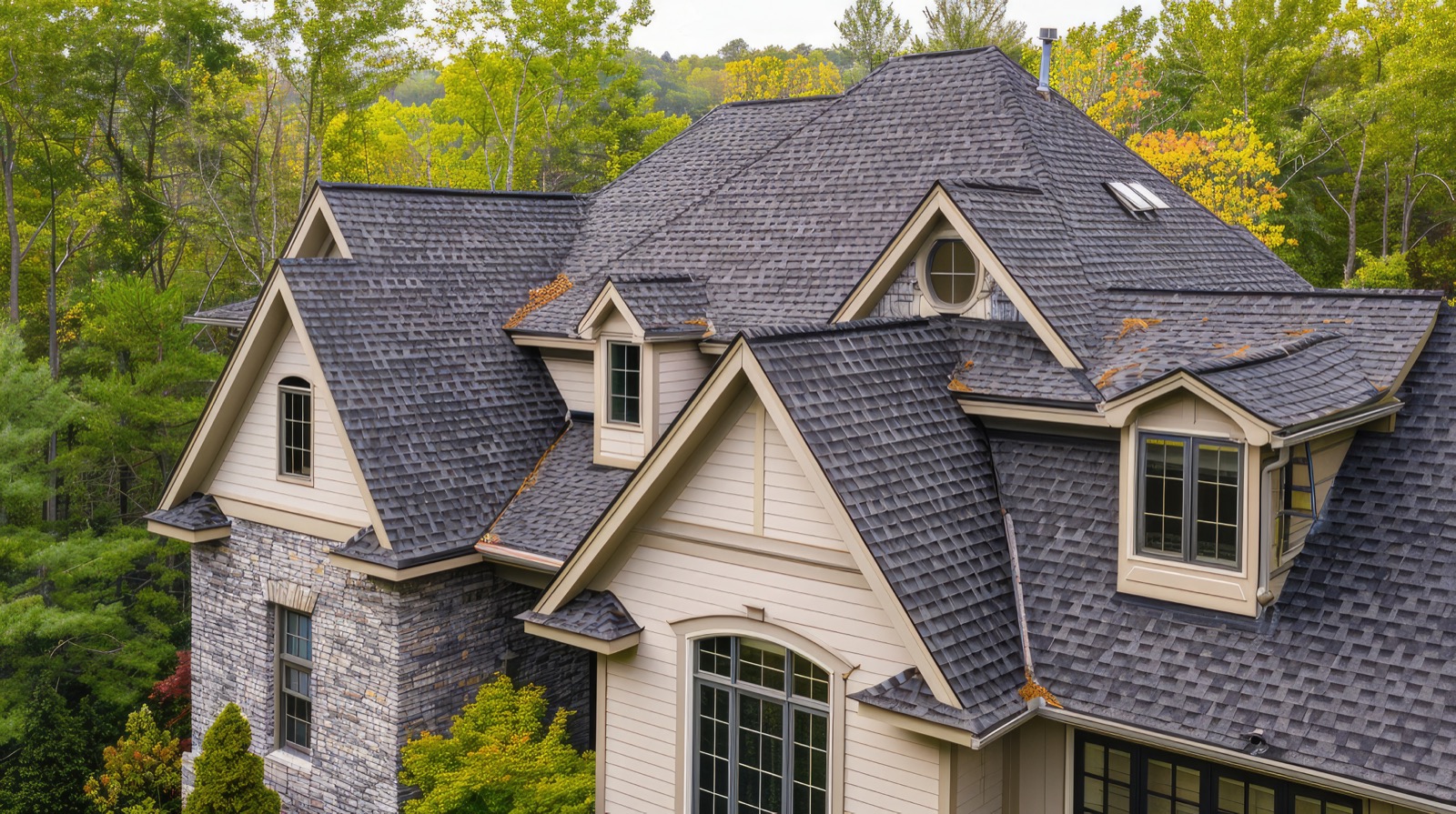
Why Some Roofs Last 30 Years — And Others Don’t Even Make It to 15
Many homeowners assume every roof should last 25–30 years.
But in reality, some roofing systems begin failing far earlier than expected — even when the shingles themselves still “look okay” from the ground.
The difference often comes down to factors most homeowners never think about: ventilation, installation quality, flashing details, drainage, and maintenance.
A roof’s lifespan is about far more than just shingles.
The Biggest Factor Most Homeowners Never See: Ventilation
One of the most overlooked causes of premature roof failure is poor attic ventilation.
Without proper airflow, heat and moisture become trapped inside the attic space. Over time, that buildup can:
-
Warp decking
-
Damage shingles from underneath
-
Cause mold and mildew growth
-
Increase indoor humidity
-
Shorten the lifespan of roofing materials
-
Raise energy costs
Many roofing systems fail early not because of storm damage, but because the attic never had balanced intake and exhaust ventilation in the first place.
Installation Quality Matters More Than Material Brand
Homeowners often spend hours researching shingle brands while overlooking the most important factor: installation quality.
Even premium roofing materials can fail early if details are installed incorrectly.
Some of the most common installation issues include:
Incorrect Nailing Patterns
Improperly nailed shingles are more vulnerable to lifting during wind events.
Poor Flashing Installation
Flashing around chimneys, valleys, skylights, and walls is one of the most common leak areas on any roof.
Inadequate Underlayment
Underlayment acts as a secondary water barrier. Low-quality installation can leave roofs vulnerable beneath the shingles.
Improper Vent Placement
Ventilation systems need balanced airflow — not just random vents added throughout the roof.
Sun Exposure Ages Roofs Faster Than Many People Realize
UV exposure slowly breaks down roofing materials every single day.
Over time, shingles begin losing flexibility and protective granules, making them more vulnerable to cracking, curling, and water intrusion.
South-facing roof slopes often age faster because they absorb more direct sunlight throughout the day.
This aging process happens gradually, which is why many homeowners don’t notice problems until visible damage finally appears.
Gutters Play a Bigger Role Than Most People Think
A roofing system is only as good as its drainage.
When gutters clog or overflow, water can back up underneath shingles and fascia boards. Over time, that moisture can damage decking, soffits, siding, and even foundation areas around the home.
Signs of drainage issues include:
-
Overflowing gutters during rain
-
Sagging gutter lines
-
Granules collecting in downspouts
-
Water stains near soffits
-
Erosion around the property
Routine gutter maintenance can significantly extend the life of a roofing system.
Storm Damage Compounds Over Time
Roofs rarely fail from a single storm.
Instead, damage accumulates over years of wind, hail, temperature changes, and moisture exposure.
A roof may survive one storm with minor damage, but every future storm continues weakening already stressed areas.
That’s why regular inspections after severe weather are so important — especially for catching hidden damage before leaks begin.
Maintenance Can Add Years to a Roof’s Lifespan
Many homeowners never schedule roof inspections unless there’s an active leak.
But preventative maintenance is one of the best ways to maximize the life of a roofing system.
Routine inspections can help identify:
-
Loose or lifted shingles
-
Flashing separation
-
Early storm damage
-
Drainage problems
-
Ventilation concerns
-
Sealant deterioration
-
Minor repairs before they spread
Addressing small issues early often prevents much larger and more expensive repairs later.
A Roof Is a System — Not Just Shingles
The longest-lasting roofs aren’t always the most expensive ones.
They’re usually the roofs installed correctly, ventilated properly, maintained consistently, and inspected before problems get worse.
Because in roofing, small details often determine whether a roof lasts 30 years — or struggles to make it to 15.