
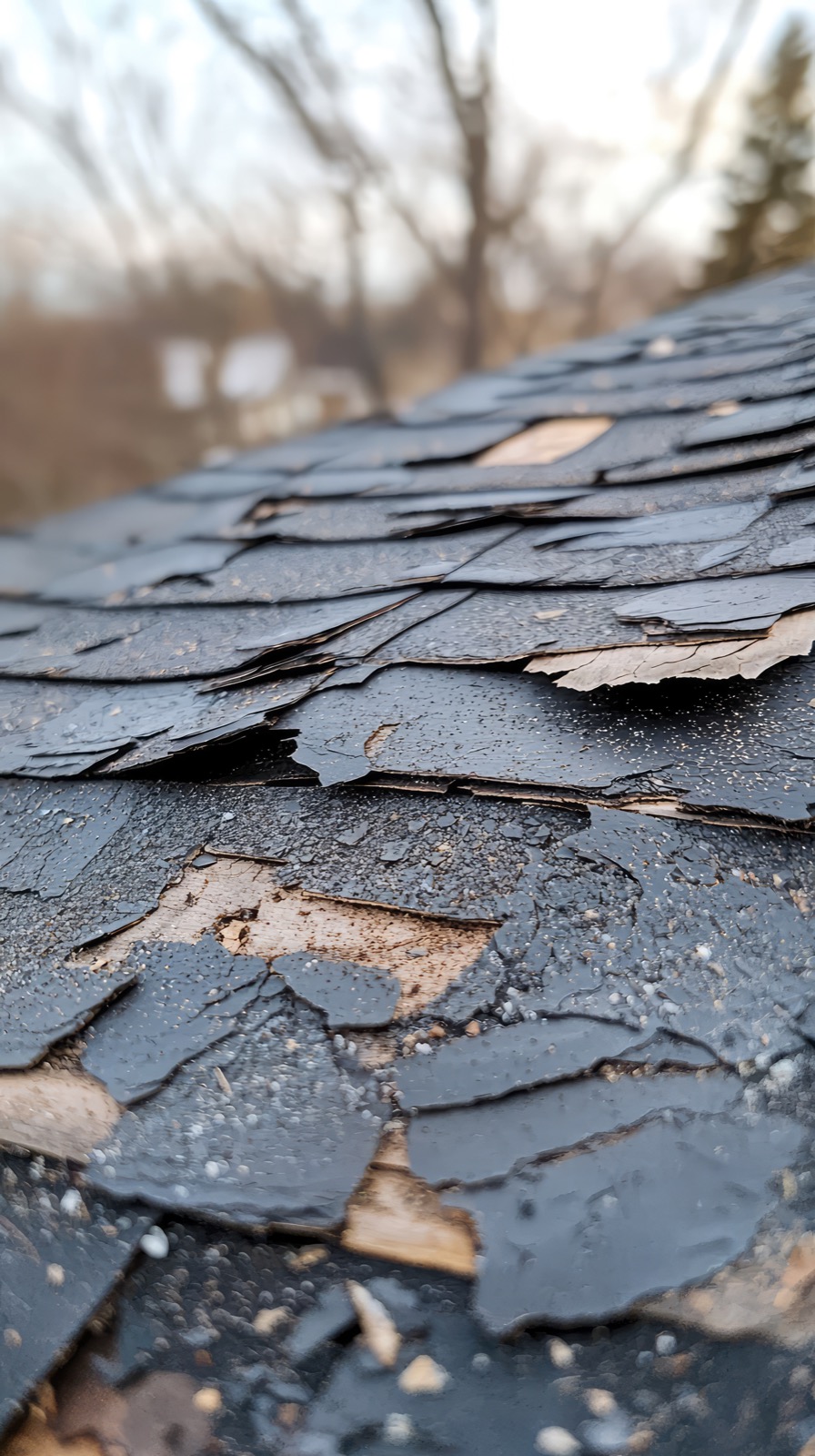
The Hidden Roof Damage Homeowners Miss Until It’s Too Late
Most homeowners think roof damage comes from one major storm.
But in reality, many roofing problems start small and go unnoticed for months — sometimes years — before becoming serious leaks or expensive repairs.
A roof can look perfectly normal from the driveway while hidden damage slowly spreads underneath the shingles, around flashing, or inside the attic.
By the time water stains appear on the ceiling, the actual problem has often been developing for a long time.
Why Roof Problems Usually Start Small
Roofing systems are built in layers.
Shingles, underlayment, flashing, ventilation, decking, and drainage systems all work together to protect a home from moisture. When one part begins failing, water can slowly work its way underneath the surface.
Some of the most expensive roof repairs actually begin with issues homeowners barely notice, including:
-
Lifted shingles after wind
-
Small flashing separations
-
Minor hail impact damage
-
Clogged gutters causing water backup
-
Aging sealants around vents and chimneys
-
Poor attic ventilation
-
Tiny nail pops or exposed fasteners
These problems may seem minor at first, but over time they can lead to leaks, wood rot, insulation damage, mold growth, and shortened roof lifespan.
Wind Damage Isn’t Always Obvious
One of the most misunderstood roofing issues is wind damage.
After storms, shingles don’t always blow completely off the roof. Sometimes they simply loosen, crease, or partially lift. From the ground, the roof may still appear fine.
But once shingles lose their seal, they become vulnerable during every future storm.
This is often why homeowners suddenly experience leaks months after a weather event they thought caused no damage at all.
The Areas Most Likely to Leak First
Many roof leaks don’t start in the middle of the roof system.
They usually begin around transition points and penetrations where water naturally collects or materials expand and contract over time.
Some of the most common trouble spots include:
Chimneys
Flashing around chimneys constantly expands and contracts with temperature changes.
Skylights
Older skylight seals and flashing systems are common leak sources.
Valleys
Roof valleys handle large amounts of water runoff and wear faster than many other areas.
Vent Pipes
Rubber pipe boots can crack and deteriorate from UV exposure.
Gutters and Drainage Areas
Overflowing gutters can force water underneath shingles and fascia boards.
Why Delaying Repairs Gets Expensive Quickly
Roof damage rarely stays isolated.
Once moisture enters the system, it can spread through decking, insulation, drywall, and framing materials. What starts as a small repair can quickly turn into a much larger restoration project.
Delaying roof repairs may lead to:
-
Interior ceiling damage
-
Mold growth
-
Rotten roof decking
-
Increased energy costs
-
Structural wood deterioration
-
Premature roof replacement
Many homeowners don’t realize how quickly trapped moisture can spread once it enters attic spaces.
Signs Your Roof May Need Attention
Even without an active leak, there are several warning signs homeowners should watch for.
Common indicators include:
-
Missing shingles
-
Granules collecting in gutters
-
Dark streaking or discoloration
-
Water stains in the attic
-
Sagging gutter lines
-
Visible flashing gaps
-
Moss or algae growth
-
Drafts or temperature swings upstairs
-
Shingles curling or blistering
Catching these issues early can often prevent much larger repair costs later.
Why Roof Inspections Matter More Than Most People Think
Many roofing problems are difficult to identify without getting on the roof.
Professional inspections can help uncover hidden damage before it leads to major repairs. This is especially important after strong storms, hail, or heavy wind events.
Even newer roofs can develop issues if installation details, ventilation, flashing, or drainage systems weren’t done properly.
Routine inspections help homeowners stay ahead of problems while protecting the long-term lifespan of the roof.
A Roof Protects More Than Just the House
A roofing system protects insulation, framing, electrical systems, drywall, flooring, furniture, and everything underneath it.
That’s why small roofing problems can become expensive home problems surprisingly fast.
The earlier damage is identified, the easier — and usually less expensive — it is to address.